
How Long Does It Take The IRS To Approve Your Refund? Typical Timeline, Delays & Faster Refund Tips
How long does it take the IRS to approve your refund? Learn the typical IRS refund approval time for e-file vs paper returns, how “Where’s My Refund?” works, common delay reasons, and how to speed things up with direct deposit.
by Alaguvelan M
Published Feb 16, 2026 | Updated Feb 16, 2026 | 📖 5 min read
Article continues below advertisement
How Long Does It Take the IRS to Approve Your Refund?
Most e-filed tax returns with direct deposit get their refunds approved and issued within 21 days of the IRS accepting the return, often in about two weeks or less. Paper-filed returns or those opting for a mailed check (though paper checks are largely phased out now) can take much longer, sometimes 6–8 weeks or more.
If you're wondering how long it takes the IRS to approve your refund or the typical IRS refund approval time, it all depends on your filing method, refund delivery choice, and whether anything flags your return for extra review.
IRS Refund Timeline at a Glance
Here's a straightforward breakdown of typical timeframes after the IRS accepts your return:
| Filing & Refund Method | Typical IRS Timeframe After Acceptance |
|---|---|
| E-file + Direct Deposit | Up to 21 days (often ~2 weeks or less) |
| E-file + Paper Check (if applicable) | Around 3–4 weeks or more |
| Paper Return + Direct Deposit/Check | About 6–8+ weeks |
These are general estimates from the IRS; your actual timeline could stretch longer if the return needs corrections, verification, or if the refund gets offset for debts.
When Does the IRS “Clock” Start on Your Refund?
E-Filed Returns: Acceptance vs. Approval
When you e-file, the IRS usually sends an acceptance (or rejection) notice within 24–48 hours.
The official 21-day processing window starts from the acceptance date, not when you first submitted the return. So if your return gets accepted quickly, you're on the fast track.
Paper-Filed Returns
Mailed paper returns don't start the clock until the IRS physically receives, opens, and logs them, which can add extra days or even weeks depending on mail volume and processing backlogs.
How Long Does It Take the IRS to Approve and Send Your Refund?
E-File with Direct Deposit (Fastest Option)
This is the quickest route. The IRS processes over 90% of these refunds within 21 days of acceptance, and many arrive even sooner, sometimes in as little as 10 business days.
Once approved, the funds hit your bank account in a few additional days, depending on your bank's posting schedule.
Note: For 2026, the IRS has fully phased out paper refund checks in most cases, so direct deposit is essentially required for timely delivery.
E-File with Paper Check
If direct deposit isn't an option (rare now), processing aims for the same 21-day goal, but mailing adds time, expect 3–4 weeks or longer total.
Paper Return (Mailed)
Paper filings take significantly longer, typically 6–8 weeks or more from receipt. Any issues push it further.
How to Check If the IRS Has Approved Your Refund
Using the “Where’s My Refund?” Tool
The best way is the IRS “Where’s My Refund?” tool on IRS.gov or the IRS2Go app. It updates daily (usually overnight) and shows real-time status. You'll need your Social
Security number (or ITIN), filing status, and the exact refund amount from your return.
When You Can Start Checking
- E-filed current-year return: Usually 24 hours after acceptance.
- Paper-filed return: Wait about 4 weeks for the status to appear.
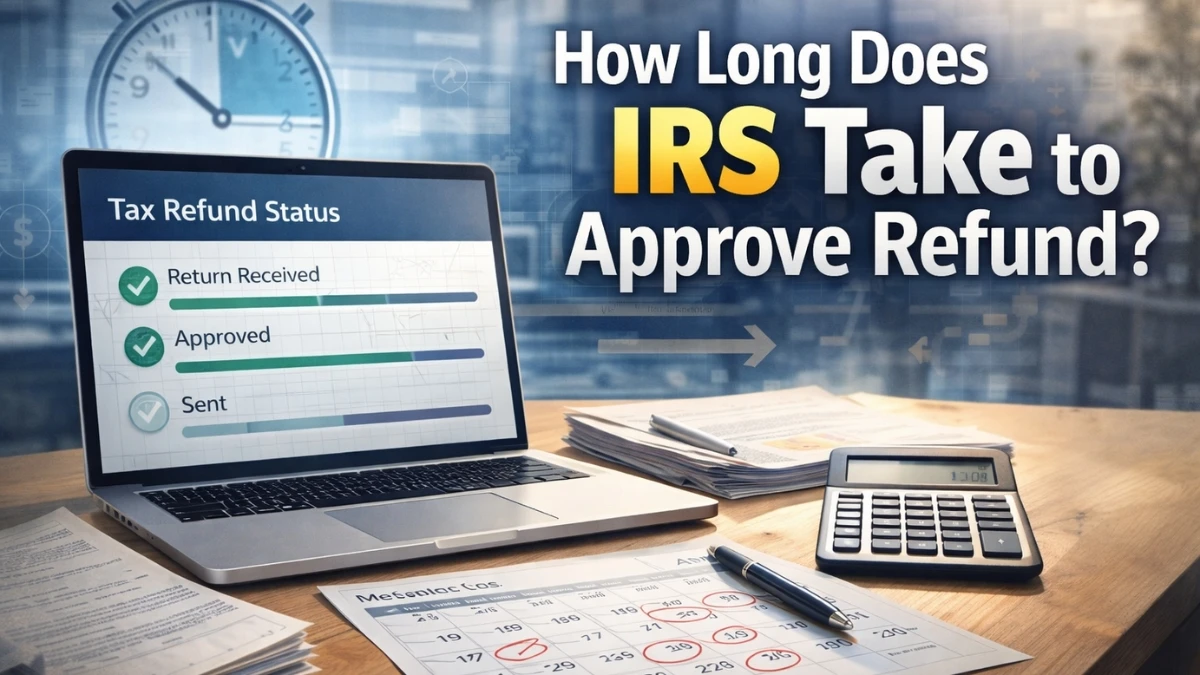
The tool shows three main stages: Return Received, Refund Approved (with an estimated issue date), and Refund Sent.
Factors That Can Delay IRS Approval of Your Refund
Several common issues can push your refund beyond the standard timeline:
- Errors like wrong SSN, mismatched names, math mistakes, or incorrect income reporting.
- Missing forms, schedules, or incomplete information.
- Identity verification or suspected fraud flags.
- Claims for certain credits (e.g., Earned Income Tax Credit or Additional Child Tax Credit), which may have built-in holds until mid-February by law.
- Amended returns, prior-year filings, or returns tied to IRS notices.
- Offsets where the IRS applies your refund to unpaid federal taxes, state debts, child support, or other federal obligations.
When to Call the IRS About a Delayed Refund
If it's been over 21 days since e-file acceptance (or 6–8 weeks since mailing a paper return) and “Where’s My Refund?” hasn't updated to “Refund Sent,” give the IRS a call at 800-829-1040. Have your details ready, but note that phone wait times can be long; check online first.
How to Get Your IRS Refund Approved Faster (or At Least Not Delayed)
A few smart choices make a big difference:
- E-file your return instead of mailing paper; it's faster and reduces errors.
- Choose direct deposit; it's the quickest delivery method (and often the only option now).
- Double-check everything: SSNs, bank routing/account numbers, income figures, and required forms.
- Respond promptly to any IRS letters requesting verification or more info.
- File early and accurately to avoid peak-season backlogs.
Pro tip: E-file + direct deposit is the combo that consistently gets refunds in hands fastest; many people see funds in under two weeks.
IRS Refund Status Messages: What They Mean
“Return Received”
- The IRS has your return and has begun basic processing.
“Refund Approved”
- Review is complete, your refund amount is approved, and you'll usually see an estimated deposit or mailing date.
“Refund Sent”
- The IRS has released the funds; any remaining delay is with your bank (for direct deposit) or the mail (if applicable).
Why Your Friend Got Their Refund Before You (Even If You Filed the Same Day)
It happens all the time. Banks post deposits at different speeds; some credit funds instantly, others wait a day or two. Plus, not every return sails through: some get random reviews, extra identity checks, or flags for credits/complex income (like self-employment or investments).
Even identical filing dates don't guarantee identical timelines if one return triggers a closer look.
Disclaimer:
The information provided above is for general informational and educational purposes only and is based on publicly available IRS guidelines and typical processing timelines. Actual refund approval and payment times may vary depending on individual circumstances, filing accuracy, verification requirements, and IRS processing volumes. This content does not constitute tax, legal, or financial advice. For the most accurate and up-to-date information, refer to official updates on IRS.gov or consult a qualified tax professional. Always verify deadlines, policies, and procedures with the IRS before making financial decisions.
Related Articles




Long-Term Capital Gains Tax Rates 2025
219 days agoHow Long Does It Take the IRS to Approve Your Refund - FAQs
1. How long does it take the IRS to approve a refund after I e-file?
Typically up to 21 days from acceptance, often faster—many arrive in under two weeks with direct deposit.
2. Does direct deposit really make my IRS refund faster?
Yes—it's the quickest method, and paper checks are mostly phased out for 2026, so direct deposit is key for speed.
3. Why is my IRS refund taking longer than 21 days?
Common culprits include errors, missing info, identity verification, certain credit claims (like EITC/ACTC), or offsets for debts.
4. How long after “refund approved” will I get my money?
Usually a few days for direct deposit to post in your bank account. Check your account or bank policies.
5. How long do mailed paper returns take to get approved?
Around 6–8 weeks or more from receipt, longer if issues arise.
Disclaimer : The above information is for general informational purposes only. All information on the Site is provided in good faith, however we make no representation or warranty of any kind, express or implied, regarding the accuracy, adequacy, validity, reliability, availability or completeness of any information on the Site.