
What Is a Line of Credit? Meaning, Types, and How It Works in 2026
Learn what a line of credit is, how it works, and the different types explained in simple terms. Discover the pros, cons, eligibility, and tips to use a line of credit smartly in 2026.
by Alaguvelan M
Published Feb 20, 2026 | Updated Feb 20, 2026 | 📖 9 min read
Article continues below advertisement
On This Page
- What Is a Line of Credit? Meaning, Types, and How It Works
- What Is a Line of Credit?
- How Does a Line of Credit Work?
- Types of Line of Credit
- Benefits of a Line of Credit
- Risks and Disadvantages of a Line of Credit
- Eligibility Criteria for a Line of Credit
- How to Apply for a Line of Credit
- Common Uses of a Line of Credit
- Line of Credit vs Credit Card vs Personal Loan
- When Does a Line of Credit Make Sense?
- Smart Tips for Using a Line of Credit Responsibly
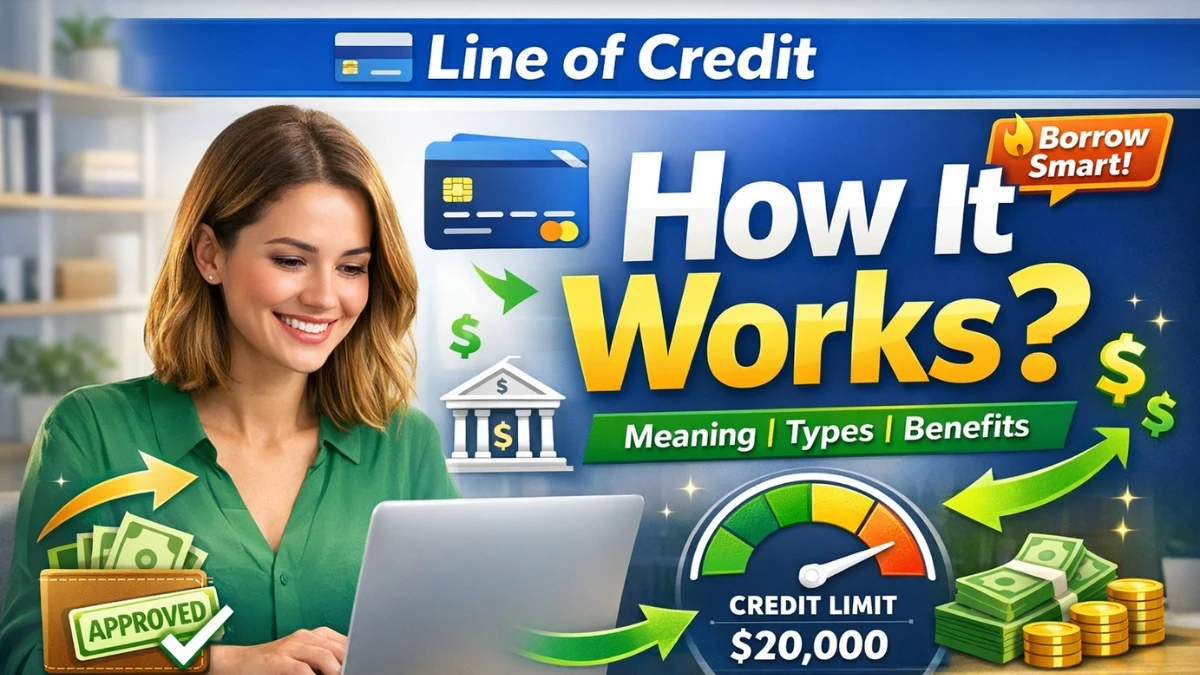
What Is a Line of Credit? Meaning, Types, and How It Works
Ever found yourself needing a bit of extra cash for unexpected expenses, but not wanting to commit to a big loan? That's where a line of credit comes in handy. Simply put, it's like having a pool of money you can dip into whenever you need, up to a certain limit set by your lender.
You only pay interest on what you actually use, and once you repay, that money becomes available again. This makes it a flexible option for individuals dealing with variable costs, small business owners managing cash flow, or even homeowners tapping into their property's value.
In this guide, we'll break down the meaning of a line of credit, explore the different types, explain how it all works, and weigh the benefits against the risks.
We'll also cover eligibility, application steps, smart usage tips, and answer some common questions. Whether you're curious about how a line of credit works or comparing it to other options like loans or credit cards, we've got you covered.
What Is a Line of Credit?
Line of Credit Definition
At its core, a line of credit is a flexible borrowing tool from a bank or financial institution. It gives you access to a pre-approved amount of money, say, $10,000 or $50,000, that you can borrow from as needed.
You repay what you've used, and then you can borrow again, up to that limit. The key perk? Interest is only charged on the borrowed portion, not the entire approved amount. It's like a safety net for your finances, reusable over time.
Line of Credit vs Traditional Loan
Wondering how this stacks up against a standard loan? Here's a quick comparison to clear things up:
- Lump sum vs. reusable limit: A traditional loan gives you a one-time chunk of cash, while a line of credit lets you draw funds repeatedly as long as you stay under the cap.
- Fixed payments vs. flexible repayments: Loans often come with set monthly installments (EMIs), but lines of credit allow more wiggle room, you might just pay interest on the balance, though terms vary by lender.
- Use cases: Go for a loan if it's a big, one-off purchase like a car. A line of credit shines for ongoing or unpredictable needs, like home repairs or business supplies.
How Does a Line of Credit Work?
Credit Limit and Draw Period
Think of your credit limit as the maximum bucket size; it's based on factors like your income and credit history. During the "draw period," which could last several years, you can pull out money as you need it, via checks, transfers, or even a linked card.
After that, you enter the repayment phase, where you focus on paying back what's owed, often with minimum monthly payments. Some lines let you renew or extend the draw period, keeping things flexible.
Interest Rates and Fees
Interest on lines of credit can be variable (tied to market rates, so it might fluctuate) or fixed (locked in for predictability). You'll typically face other costs too, like an annual maintenance fee, processing charges when you apply, or penalties for late payments.
Remember, interest kicks in only on the outstanding balance, borrow $2,000 from a $10,000 limit, and you're only paying on that $2,000. This can make it more cost-effective than options where interest accrues on the full amount from day one.
Secured vs Unsecured Line of Credit
Not all lines of credit are created equal. A secured one requires collateral, like your home or a savings account, which lowers the lender's risk and often means better rates for you.
An unsecured version relies on your creditworthiness alone, no assets on the line, but expect higher interest since it's riskier for the bank. Choose based on what you can afford to put up and your financial stability.
Types of Line of Credit
Personal Line of Credit
This one's designed for everyday folks like you and me. It's usually unsecured, meaning no collateral is needed, and ideal for personal expenses such as medical bills or travel. Advantages include quick access and flexibility, but watch out for higher rates if your credit isn't stellar. Risks? Overspending can lead to debt buildup if you're not careful.
Home Equity Line of Credit (HELOC)
If you own a home with some equity built up, a HELOC lets you borrow against that value, think of it as turning your house into a funding source. It's great for renovations or debt consolidation, with potentially lower interest since it's secured. The upside is tax-deductible interest in some cases (check with a tax pro), but the big risk is foreclosure if you can't repay, as your home is collateral.
Business Line of Credit
Small business owners love this for handling cash flow dips, like buying inventory or covering payroll during slow seasons. It can be secured or unsecured, depending on your business's health. Benefits include scalability as your company grows, but disadvantages involve stricter eligibility and the potential to strain your finances if revenue doesn't pick up.
Overdraft Line of Credit (Bank Account OD)
Linked directly to your checking account, this acts as a buffer against overdrafts. If your balance dips below zero, it automatically covers the shortfall up to your limit. It's convenient for short-term gaps, like waiting for a paycheck, with interest only on the overdrawn amount. Pros: No bounced checks. Cons: Fees can add up, and it's easy to rely on it too much.
Credit Card vs Line of Credit
While both offer revolving credit, a credit card is more for daily purchases with perks like rewards points. A line of credit often has lower interest and higher limits, better for larger, ongoing needs. Similarities include paying interest on usage, but differences show in fees, cards might charge for cash advances, while lines focus on annual costs.
Benefits of a Line of Credit
Lines of credit aren't for everyone, but they pack some solid advantages:
- Flexible funding: Grab cash only when you need it, without reapplying each time.
- Interest savings: You pay only on what you use, which can beat flat-rate loans.
- Handles unpredictability: Perfect for irregular bills or emergencies, bridging gaps without long-term commitment.
- Potentially lower costs: Often cheaper than credit cards, especially for bigger amounts.
- Credit boost potential: Responsible use, like timely repayments, can improve your score over time.
Risks and Disadvantages of a Line of Credit
Of course, flexibility comes with caveats. Here's what to watch for:
- Overspending temptation: Easy access might lead to unnecessary borrowing.
- Rate fluctuations: Variable interest rates can rise, hiking your costs unexpectedly.
- Hidden fees: Annual charges or penalties can sneak up if you miss details.
- Collateral dangers: For secured types, defaulting risks losing your asset, like a home.
- Credit impact: High utilization or missed payments can ding your score, making future borrowing tougher.
Eligibility Criteria for a Line of Credit
Common Bank Requirements
Lenders want to know you're reliable. You'll typically need a solid credit score (often 670+), proof of steady income, and a low debt-to-income ratio (under 40% is ideal). For secured options, collateral like property or investments is key. They’ll also check your employment history and existing debts to gauge risk.
Tips to Improve Approval Chances
Boost your odds by cleaning up your finances first. Pay off high-interest debts, ensure all bills are current, and build a positive relationship with your bank through consistent activity. If your score needs work, give it a few months of good habits before applying, it shows lenders you're serious.
How to Apply for a Line of Credit
Getting started is straightforward, but preparation pays off. First, review your credit report for errors and gather documents like ID, income statements, and tax returns.
Shop around banks or online lenders to compare rates and terms; don't settle for the first offer.
Submit your application, either in-person or digitally, including any collateral info if needed.
The lender will evaluate (this might take days to weeks), approve a limit, and guide you on activation. Once set, draw funds via app, check, or transfer.
Common Uses of a Line of Credit
This tool shines in scenarios where timing is everything. Use it for smoothing out monthly cash flow when income varies, tackling emergencies like car repairs, or funding home upgrades without depleting savings.
Businesses might tap it for inventory during peak times or to bridge seasonal slumps. It's also smart for consolidating higher-interest debts, potentially saving on costs.
Line of Credit vs Credit Card vs Personal Loan
Key Differences at a Glance
To help you decide, here's a simple table breaking it down:
| Product | How It Works | Interest Cost (Typically) | Best For |
|---|---|---|---|
| Line of Credit | Reusable limit, pay interest on usage | Medium | Ongoing or unpredictable expenses |
| Credit Card | Revolving credit via card | High | Every day spends, rewards, short-term credit |
| Personal Loan | One-time lump sum, fixed EMIs | Medium–High | Large planned one-time expenses |
When Does a Line of Credit Make Sense?
It fits best when you value flexibility over a fixed payout, like for variable business needs or personal emergencies where you don't know the exact amount upfront.
If you can stick to repaying promptly and the overall costs (interest + fees) undercut alternatives, it's a winner. Avoid it if discipline around spending is an issue, as it could snowball into more debt.
Smart Tips for Using a Line of Credit Responsibly
Treat it like a tool, not a crutch. Stick to essential borrows, not whims, plan ahead to avoid surprises. Keep your usage low, ideally under 30% of the limit, to protect your credit. Always pay more than the minimum to chip away at the principal faster.
Review your rates yearly; if better deals pop up, consider switching. And track everything in a budget app to stay on top.
Disclaimer:
The information provided in this article is for general educational and informational purposes only and should not be considered financial, investment, or legal advice. Loan terms, interest rates, eligibility criteria, and features of a line of credit may vary by lender, country, and individual financial profile. Readers are advised to consult a qualified financial advisor or contact their bank or financial institution before making any borrowing or financial decisions. The author and publisher are not responsible for any financial losses arising from the use of this information.
Related Articles



What Is a Line of Credit - FAQ's
1. Is a line of credit a good idea?
It can be, if you need flexible access to funds without committing to a full loan. Just ensure you have the discipline to repay and compare costs to other options first.
2. Does a line of credit affect my credit score?
Yes, it can—positively if you use it wisely with on-time payments, but negatively if you max it out or miss dues, as it impacts utilization and history.
3. Can I pay off a line of credit early?
Absolutely, and it's often encouraged. Most don't charge prepayment penalties, and doing so saves on interest while freeing up your limit.
4. What is the difference between a HELOC and a personal line of credit?
A HELOC is secured by your home's equity, offering lower rates but with foreclosure risk. A personal line is unsecured, based on credit alone, with higher interest but no asset tie-up.
5. Is a line of credit secured or unsecured?
It can be either—secured requires collateral for better terms, while unsecured relies on your financial profile and typically costs more in interest.
Disclaimer : The above information is for general informational purposes only. All information on the Site is provided in good faith, however we make no representation or warranty of any kind, express or implied, regarding the accuracy, adequacy, validity, reliability, availability or completeness of any information on the Site.